The client: Adorers of the Blood of Christ
The Adorers of the Blood of Christ is a Catholic religious institute for women founded in Acuto, Italy, in 1834, by St. Maria de Mattias, who dedicated her life to evangelization, education, and empowerment of women and children. In 1870, nine Adorers sailed from Germany to the United States to spread their charism. In July 1876, they arrived in Ruma, Ill., to begin their mission in the region.
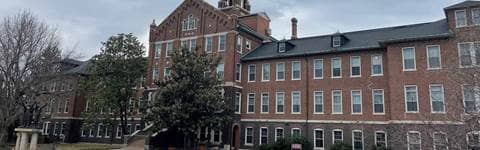
For 146 years, the Ruma Motherhouse provided a space to house and educate sisters and young women, care for and benefit from the land, and operate a retreat ministry and care facility for elderly sisters. The Ruma Motherhouse and Center of Peace retreat center made a positive impact on the lives of thousands of students, supporters, community members, and families in the area.
Over the years, the buildings became significantly underused due to an aging membership, and the private care facility became unsustainable to operate and no longer adequately served the needs of the sisters. In early 2022, the congregation decided to relocate all sisters living in Ruma to a single facility that could provide the full continuum of care, better meeting their evolving needs while eliminating the challenges of operating a stand-alone care facility. Once that transition was complete, the property and buildings would be sold. The sisters planned to retain ownership of more than 400 acres of surrounding farmland, with a goal of preserving the land consistent with their land ethic. The sisters engaged Plante Moran Realpoint as their trusted advisor for this process.
Finding a new home for the congregation
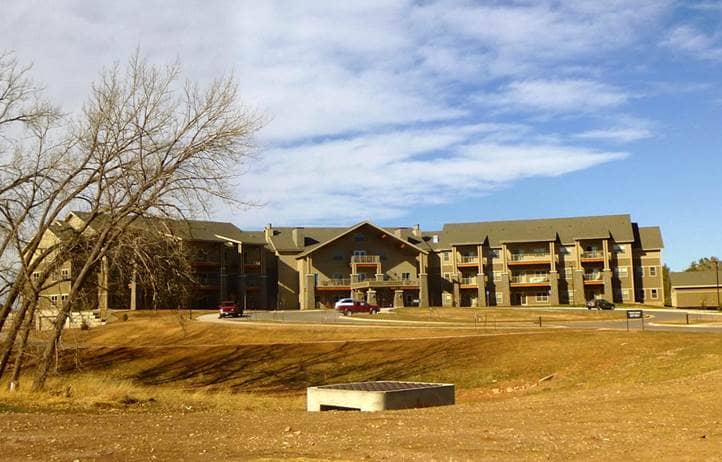
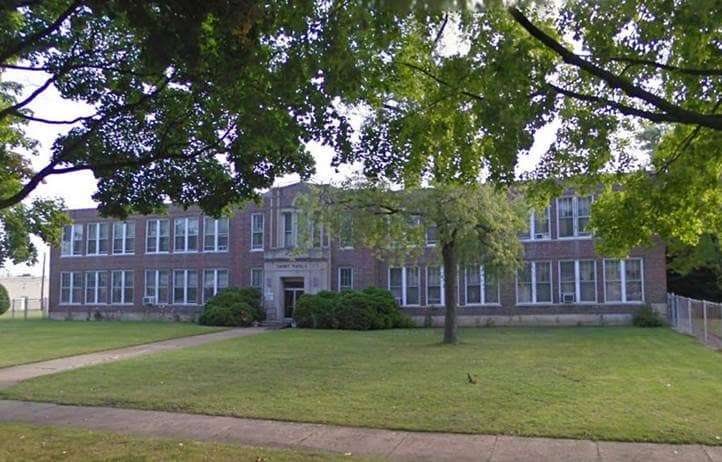
An important part of the transition involved finding a new home for the 38 sisters still living in Ruma. This was no easy task. The town itself has a population of just 313 and no stoplights. The sisters’ surrounding farmland spanned around 400 acres. Few suitable senior care options could accommodate a congregation of this size within an acceptable distance.
We identified potential sites, narrowed the list to two, and arranged visits so the sisters could see each one in person. From there, we worked alongside leadership and the congregation to help them settle on a Catholic facility that felt right and negotiated the terms of a residency agreement between the sisters and the facility operator.
Relocating a group of this size from such a rural setting required considerable care and patience, but the result was a smooth transition that let the sisters move forward together while maintaining the sense of community they had built over so many years at Ruma.
About the unique and specialized property
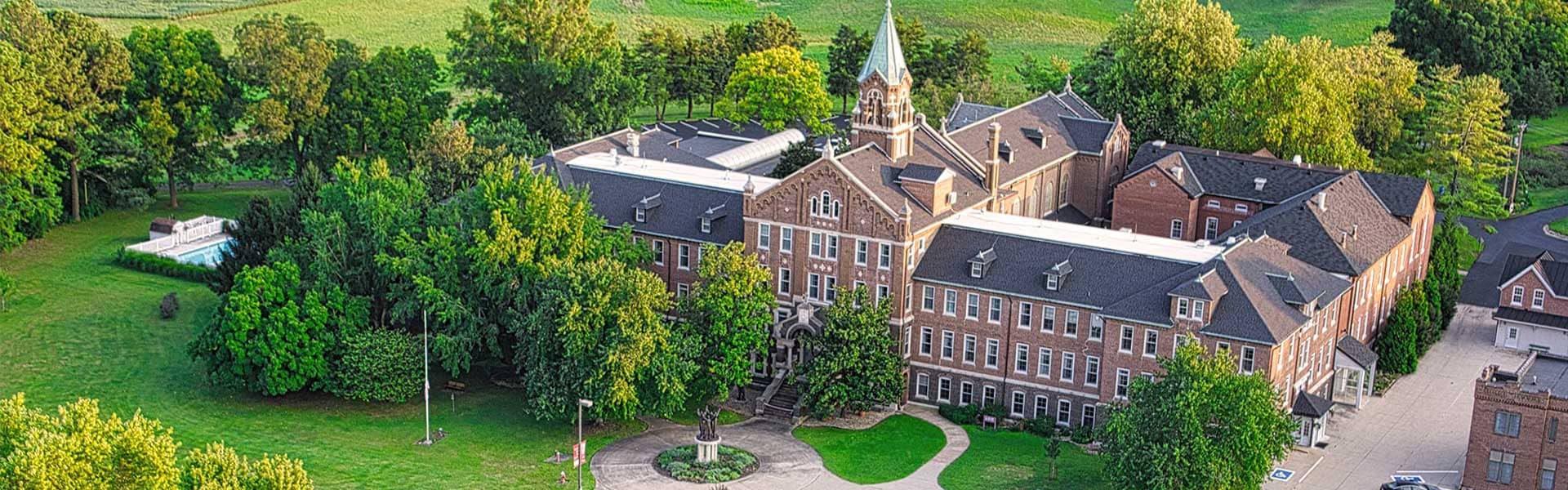
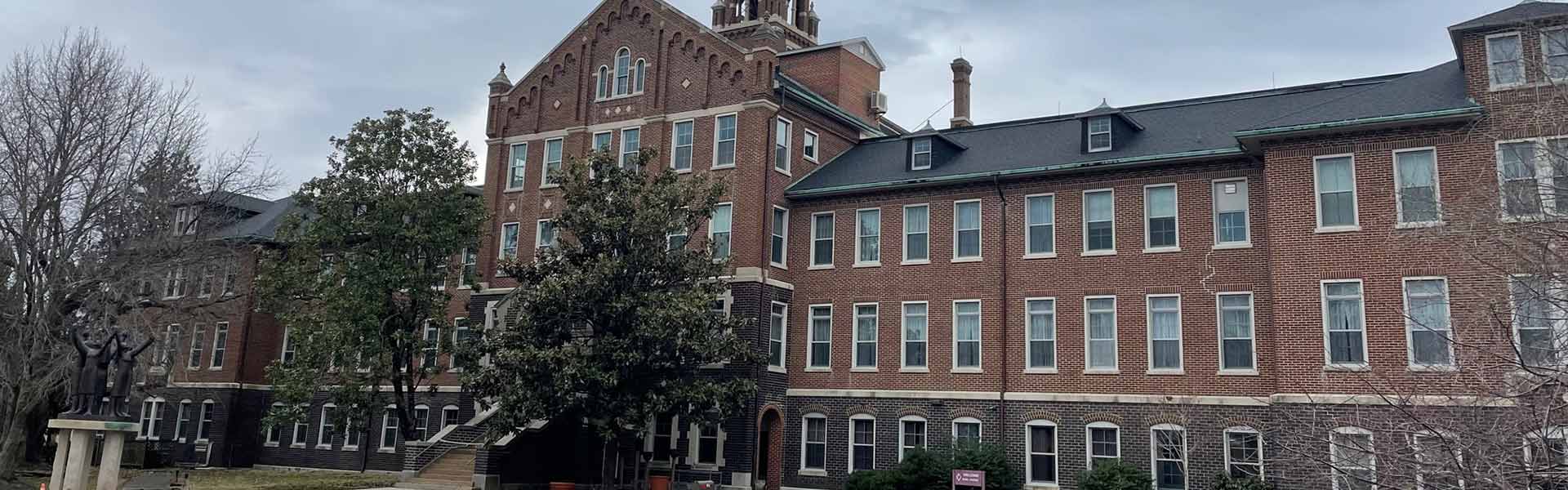
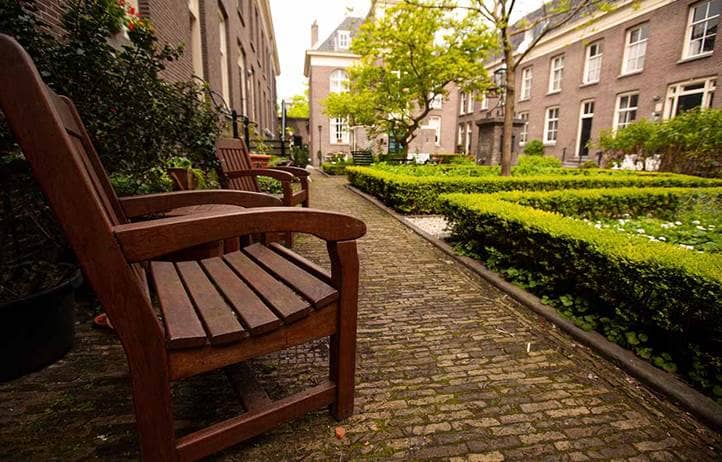
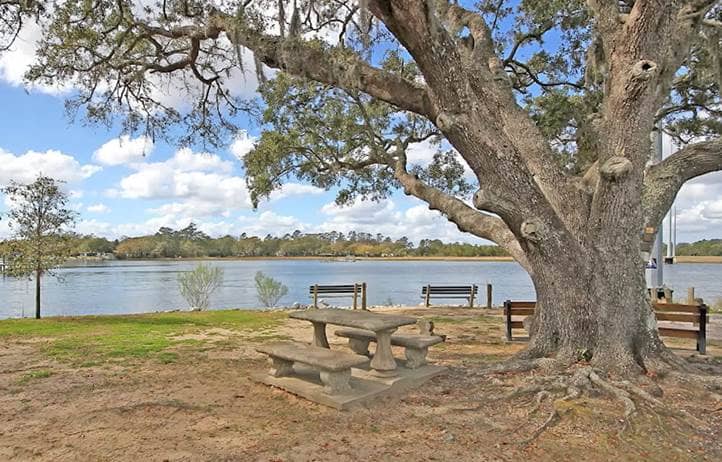
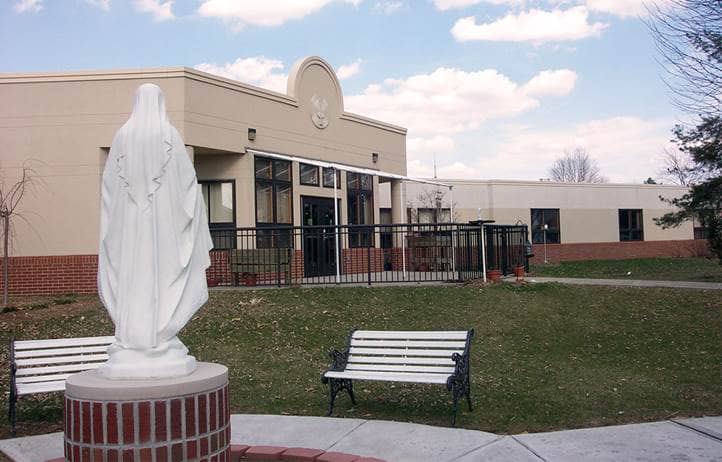
The property offered for sale totaled 33 acres and included approximately 85,000 square feet of buildings, comprising the Ruma Motherhouse, the Center of Peace retreat center, garages, and several ancillary buildings. Also included was an outdoor pool and a private wastewater filtration plant. Some of the buildings date back to the late 1800s, but most were built in 1923, and all were very well maintained.
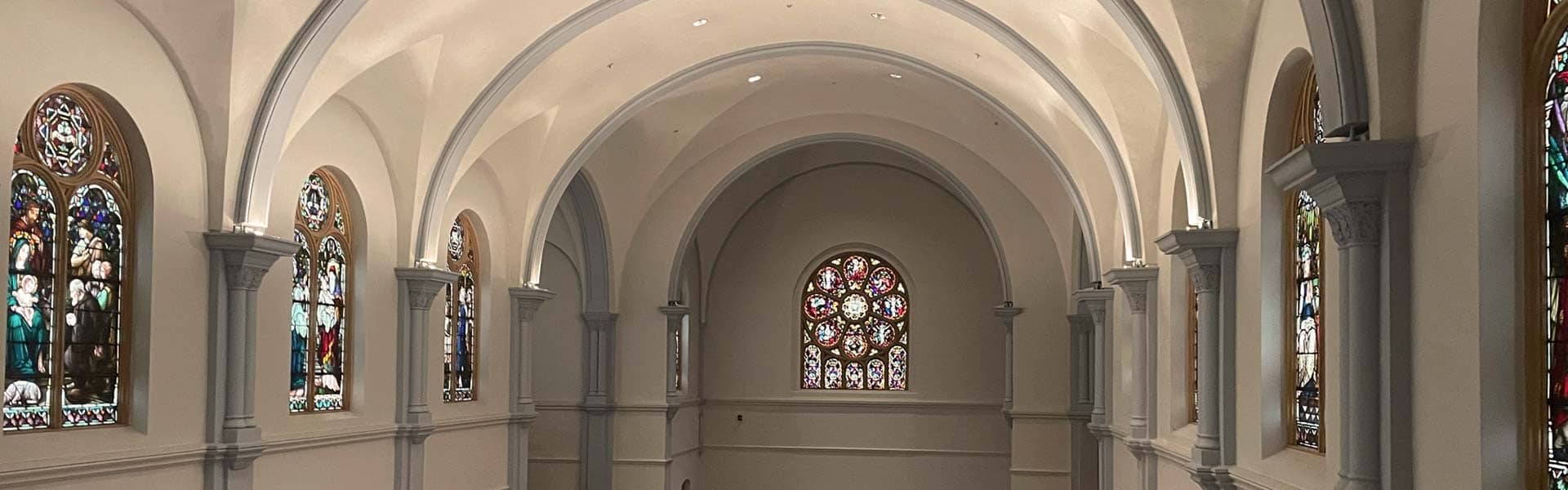
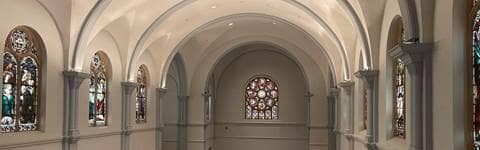
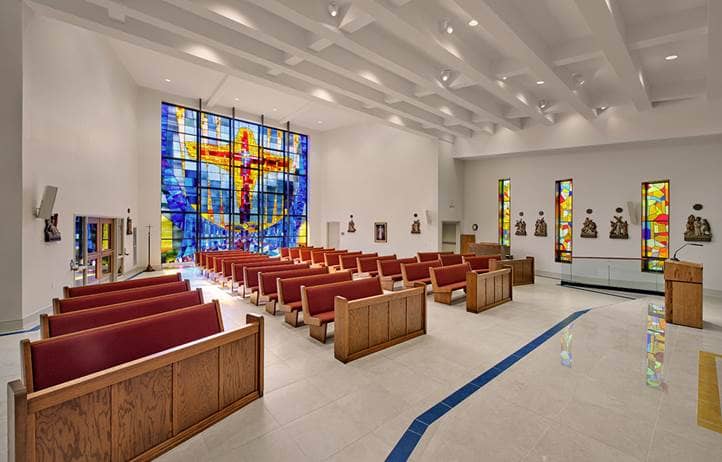
The Ruma Motherhouse itself held 77 bedrooms, 10 guest rooms, 69 bathrooms, 22 offices, four dining rooms, and a commercial kitchen, reflecting its long use as a home to many sisters and novices at once. Attached to the motherhouse was a traditional chapel, with high ceilings and natural light pouring in through more than 10 stained-glass windows. A short distance away stood the Center of Peace building, an 8,500-square-foot retreat space with 20 bedrooms and a capacity for 31 guests.
Beyond these main buildings, the property included two detached private houses, a ceramic studio, several garages, a greenhouse, and an arts and crafts building, remnants of a campus that had, for generations, supported not just housing and worship but also craft, recreation, and daily life on the land.
Overcoming challenges related to the sale
The property is located in a very rural area of Southern Illinois. Ruma’s population is 313, the total population within a 20-mile radius is 76,000, and there is no major industry in the region. St. Louis, Mo., the closest major metro area, is 60 miles northwest. Given this setting, finding interested buyers for the entire property was expected to be difficult from the outset.
Meanwhile, the sisters continued to bear the cost of maintaining a large, aging property while they sought a buyer. The sisters chose not to pursue a full shutdown of the buildings, even as other options were discussed as possibilities if a suitable buyer could not be found.
A patient, purpose-driven sales process
Plante Moran Realpoint prepared an offering memorandum and curated a list of potential purchasers, targeting mainly educational, institutional, governmental, and healthcare organizations given the property’s rural setting and specialty buildings. We also listed the property with CoStar, a large-scale, global database and analytics provider for commercial real estate. Landowners and industry professionals use its online marketplace to buy, sell, and lease properties.
In the offering memorandum, we did not quote an asking price, so as not to discourage interest before a conversation could even begin.
We followed up with every recipient of the offering memorandum by phone or email, continued to pursue new prospects, arranged several site visits, and maintained the CoStar listing over an extended period as interest remained limited. We stayed in close contact with the sisters throughout about the state of the market.
A successful outcome for the sisters and their land
The sale process ultimately matched this rural, single-purpose property with a buyer whose needs aligned with its scale and character. After a lengthy period of limited interest, the property drew attention from Books for All, a New York nonprofit organization collaborating with a group of similar organizations seeking a shared meeting, event, and retreat center. The fit was a natural one: the same spaces that had once housed sisters, hosted retreatants, and supported a community of faith were well suited to a new owner seeking exactly that kind of gathering space.
The sale relieved the sisters of the ongoing cost of maintaining a large, single-purpose campus that no longer matched the size of their congregation. Just as importantly, the sisters retained their surrounding farmland, allowing them to continue caring for the land in keeping with their long-held values, even as the convent and retreat center found new purpose with a new owner. We assisted the sisters in using this event to deed restrict the entire property, including the sale property, from any future development with the goal of maintaining agricultural use and preserving its rural character.
In this way, the outcome preserved two things the sisters cared about most: the land itself, and the assurance that the buildings would continue to serve people coming together in community, much as they had for the 146 years the sisters called Ruma home.
Photos courtesy of the Adorers of the Blood of Christ.