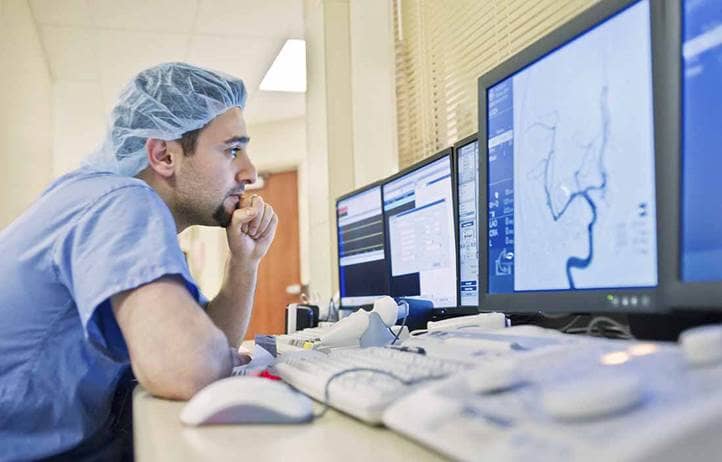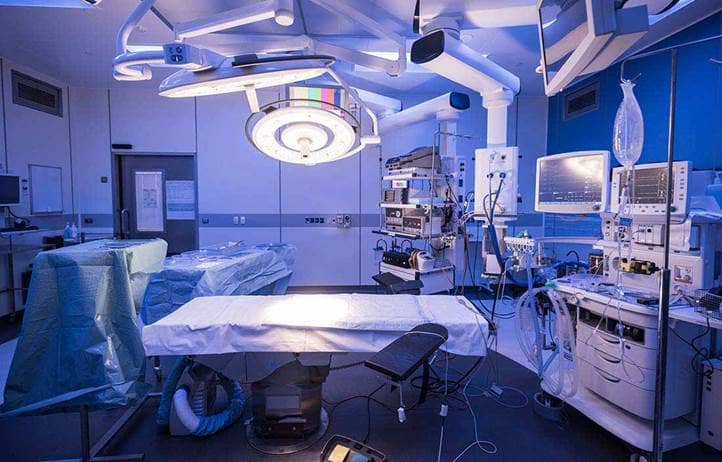

Healthcare professionals working.

Acute care operations transformation

Transform clinical workflows, hospital throughput, and operational efficiency through a structured, culture centered approach

Healthcare organizations are facing mounting pressure to deliver safe, timely, and efficient care while navigating workforce shortages, rising patient volumes, and increasing financial scrutiny. Too often, persistent operational challenges are driven not by effort, but by misaligned clinical workflows, inefficient processes, and limited visibility across complex care delivery systems. At its core, our approach reflects a simple truth — proper planning prevents poor performance.

Operations process transformation focuses on addressing these challenges end to end — redesigning how work gets done to improve throughput, unlock capacity, and strengthen operational performance. By centering on culture and sustainability, organizations are better positioned to implement change that supports staff, improves patient flow, and delivers lasting performance improvement.


Start your day on time — and keep it that way.

The CLEAR™ method is a comprehensive healthcare operations improvement framework designed to address complex, systemwide challenges across hospitals and health systems. CLEAR — Culture, Learning, Engineering, Analytics, and Results — provides a structured yet flexible approach to improving clinical workflows, throughput, and performance by combining proven industry best practices with the realities of care delivery. At its core, the method recognizes that sustainable change only happens when frontline teams and leaders are engaged, heard, and aligned around a shared vision for success. Improvement efforts are built side by side with staff and embedded into day‑to‑day operations, increasing ownership, strengthening adoption, and ensuring changes are sustained over time. By emphasizing how work is designed, how teams are engaged, how performance is measured, and how results are sustained, the CLEAR™ method ensures operational improvements are not only implemented but fully adopted and maintained across the organization.

Where operations transformation makes the biggest impact

Acute care process transformation spans the full continuum of hospital operations.
Operating room (OR) process improvement

Operating room transformation focuses on improving the full perioperative value stream, from decision for surgery through postoperative recovery and discharge. Efforts typically address first-case on-time starts and same-day cancellations through upstream scheduling and pre-admission optimization, reduce turnover time by standardizing roles, workflows, and supply readiness, and optimize block and room utilization to unlock additional surgical capacity. By strengthening coordination across scheduling, pre-op, intraoperative, and PACU processes — and aligning surgeons, staff, and leadership around shared performance expectations — organizations can improve access, enhance staff experience, and capture the full value of their surgical services.

Emergency department (ED) throughput

Emergency department transformation centers on improving patient flow from point of entry through disposition while maintaining quality, safety, and compliance. Work often includes redesigning registration, triage, and inpatient handoffs to reduce delays, rework and strengthen coordination between the ED and OR, hospitalists, case management, and bed placement. By streamlining registration, standardizing triage processes, and building effective surge protocols, organizations can improve “left-without-being-seen” rates, door-to-doctor times, and reduce ED holding. This creates a more reliable experience for both patients and care teams.

Discharge throughput & length of stay management

Discharge and length-of-stay improvement addresses the systemwide processes that influence how reliably patients progress toward discharge. Transformation efforts commonly focus on establishing multidisciplinary rounds, building effective discharge readiness tools to improve visibility, and identification of barriers earlier in the admission. By aligning clinical, operational, and revenue cycle teams around shared goals, organizations can strengthen transitions to post-acute and ambulatory settings, reduce avoidable days, increase capacity, manage payer risk, and improve the overall patient experience.

Transforming hospital operations requires more than good ideas — it requires the courage to commit to change. Connect with our healthcare operations team to explore what meaningful, sustainable improvements could look like for your organization.